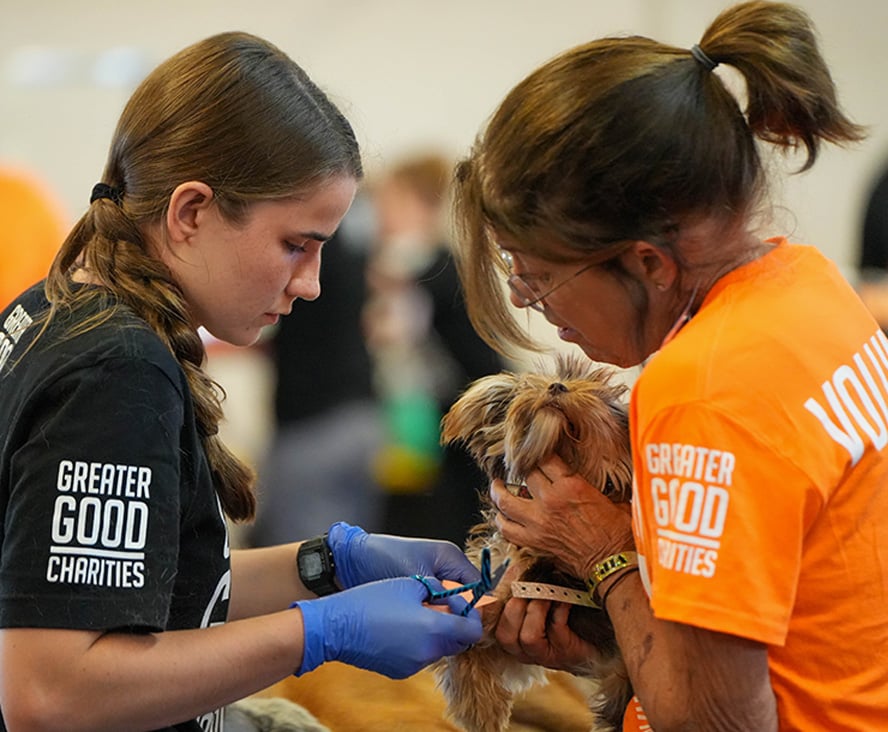
Veterinary services are out of reach for many.
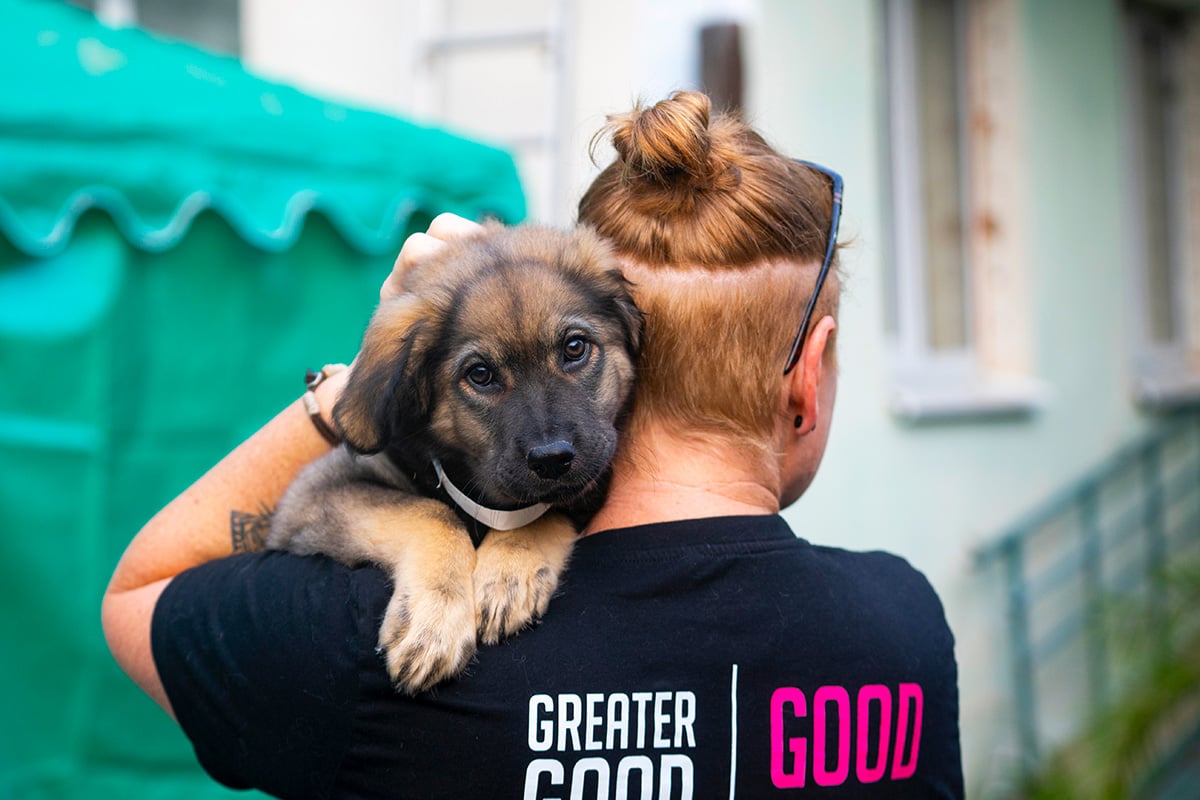
Communities everywhere are struggling with a global shortage of veterinarians. For many families, that means essential care for their pets is out of reach, either because their community has no veterinarians, or because they cannot afford care. At Greater Good Charities, we believe that keeping pets healthy is part of keeping communities safe and thriving.
That’s why we partner with local communities to provide free spay/neuter surgeries and vaccinations—removing financial and logistical barriers to care. We also fund medical treatments to pets and wildlife, deliver pharmaceuticals, and support disaster relief efforts.
- 76,300+ spay/neuter surgeries
- 76,000+ professional volunteer hours
- 10.1M pharmaceutical doses delivered
- $22.7M in free services donated to low-income communities
Hear From Our Experts
How We Work
We meet communities where they are, providing care that creates long-term change:
- Free High Quality, High Volume spay/neuter and vaccination procedures for cats and dogs.
- Anti-parasitic medications to improve pet health and public safety.
- Free microchips to help keep pets and families together
- Medical care grants for adoptable pets and wildlife
- Community education & shelter partnerships to foster sustainable solutions.
Our Impact
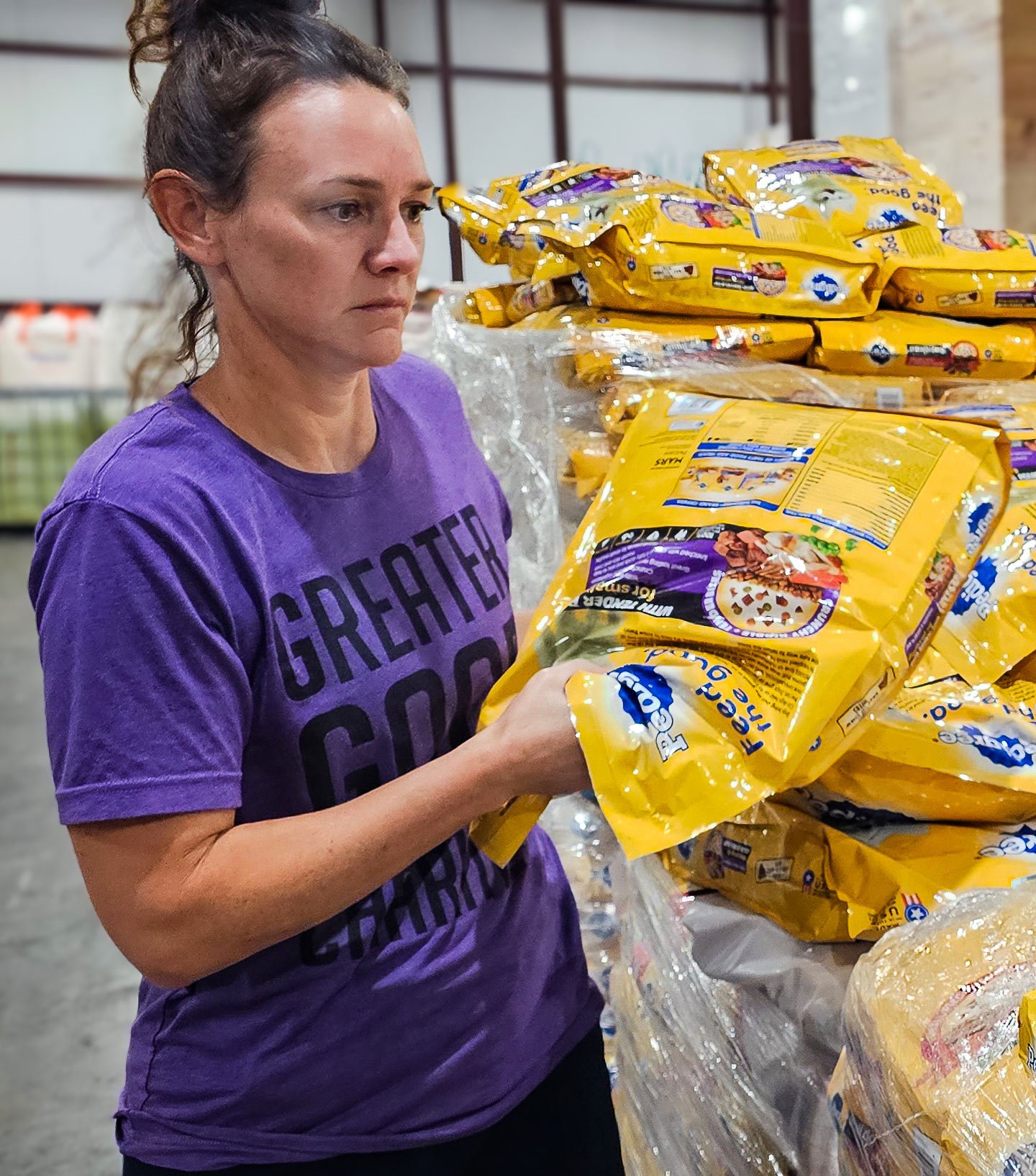
500 million+ cups of food provided directly to hungry people
850 million+ meals delivered to pets and shelter animals
10.5 billion bees supported with emergency food after hurricanes
We Fill Critical Gaps
We’re not here to replace Food Banks. We’re here to support them. Food banks do incredible work—but most don’t provide pet food. That leaves families with impossible choices: share their meals with pets or go hungry themselves.
Our partner, Michigan Humane, did a survey that showed:
- 64% of pantry visitors came for both human food and pet food.
- 37% used a human food pantry for the first time because pet food was available.
- 46% said they sometimes, often, or always shared their own food with pets.
By supplying pet food at human food pantries, we help families feed themselves and their animals—keeping households whole and healthy.
We Solve Creatively
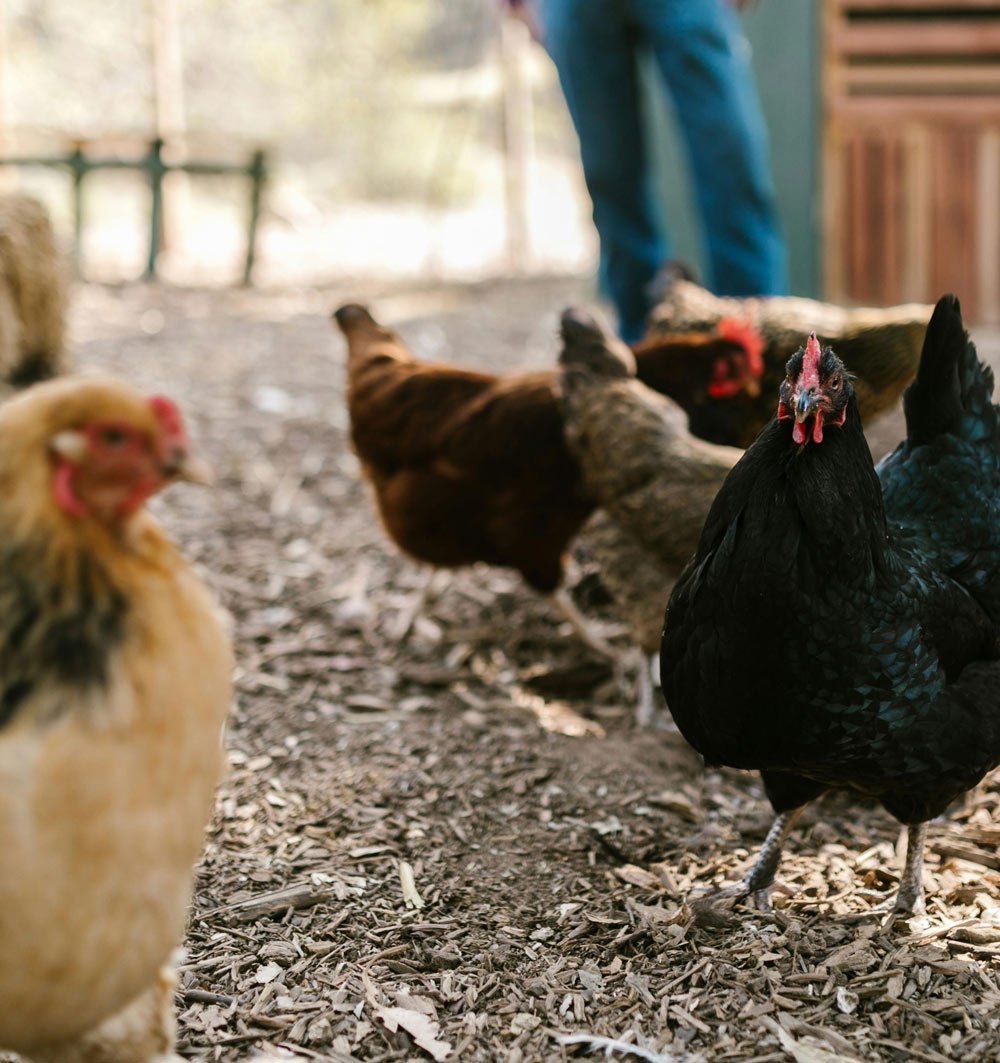
Sometimes, the answer to hunger looks unexpected. We know that children can’t learn on an empty stomach. But many children in Haiti were doing just that. Our solution? Egg-laying hens.
- We distributed 649 hens to families and built 4 coops at local schools.
- 339 students received protein-rich eggs weekly.
- Hen care was integrated into the school curriculum, teaching the next generation about nutrition and sustainability.
Education is one path out of poverty, and a nourished child learns better, dreams bigger, and builds a brighter future.
We Look at the Whole Picture
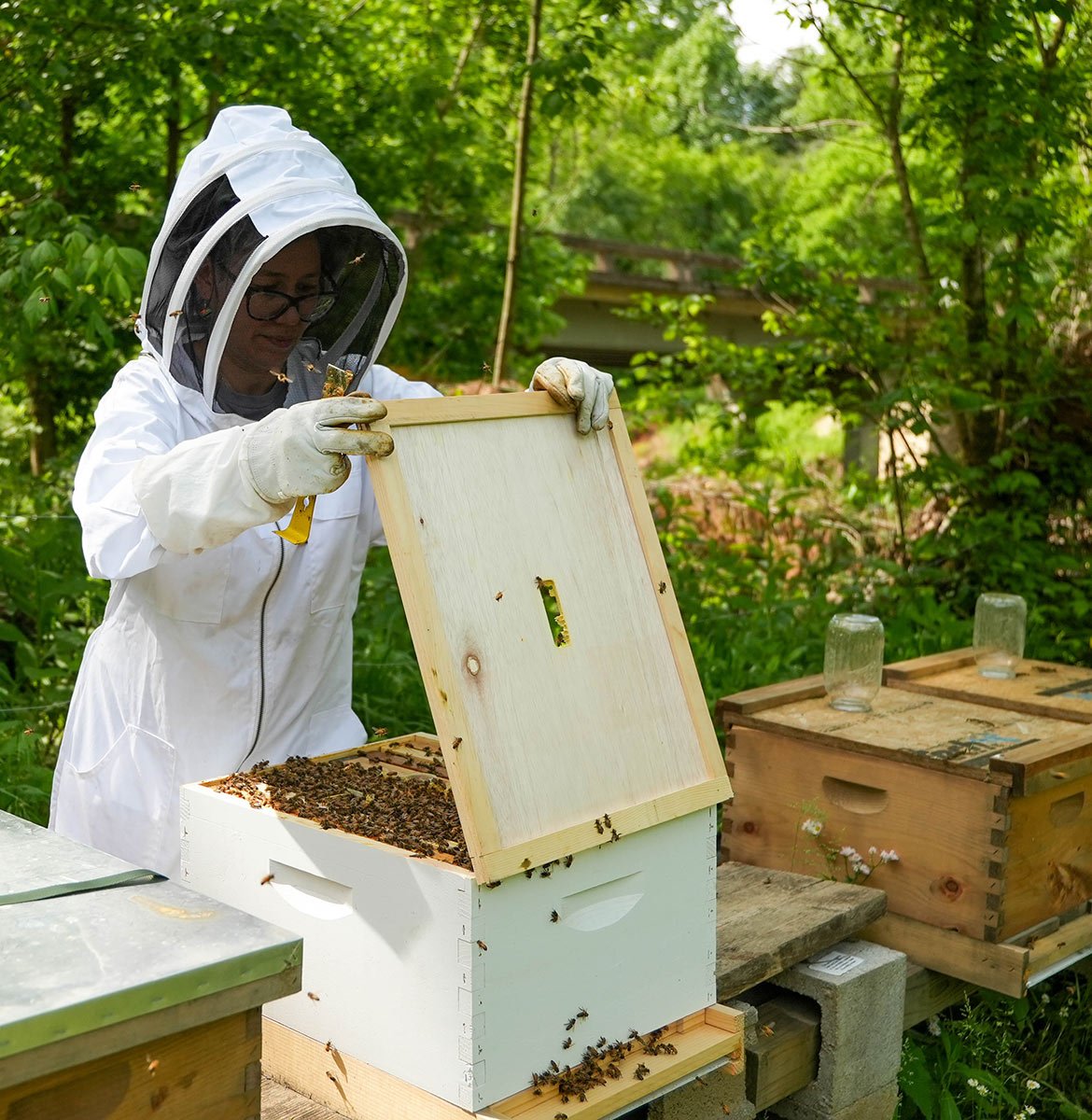
Hunger doesn’t stop at the table—it starts in the environment. Bees pollinate one in three bites of food we eat, contributing $15 billion annually to U.S. agriculture. But when disasters strike, even pollinators go hungry.
That’s why we:
- Distribute emergency food for bees—900,000 pounds after Hurricanes Helene and Milton, feeding 10.5 billion bees.
- Partner with beekeepers to provide hives, colonies, and long-term resources.
- Restore habitats so pollinators can thrive for generations to come.
If bees don’t eat, neither do we. By protecting pollinators, we protect the future of food itself.
Latest Updates
Frequently Asked Questions
Why is Greater Good Charities' Veterinary Services programming so efficient and impactful? Learn more about how we work below:
Greater Good Charities deploys specially trained high-quality, high-volume spay/neuter (HQHVSN) surgical teams and works with professional trapping teams on the local level to humanely control pet overpopulation in communities that need it most.
The HQHVSN clinics aim to reduce human-animal conflict, reduce shelter intake, and relieve the burden on animal shelters to euthanize unwanted pets.
The clinics provide vaccination services to owned and community pets free-of-charge, and educate community members on the importance of spay/neuter, TNR (Trap, Neuter, Return) as well as offer free-of-charge sterilization for their pet.HQHV sterilization prevents unwanted litters that contribute to pet overpopulation, decreasing disease spread and animal suffering.
Greater Good Charities helps communities they serve by off-setting costs that local pet shelter, rescue, and community programs incur each year.
Greater Good Charities believes high-quality, high-volume (HQHV) sterilization, combined with working with local trapping teams, is the most effective and humane method of dog/cat population control.
Greater Good Charities provides spay and neuter services including TNR, working with local trapping teams for community dogs/cats to keep pet populations within sustainable levels.
For clinics open to the public, high-need communities are able to bring in their owned animals to receive sterilization and vaccination. For many of these pets and pet owners, it is their first experience with a veterinarian, and the education they receive on the value of veterinary care helps ensure a healthier animal population going forward.
Yes! Greater Good Charities uses the highest standards of safety, medical and professionalism, including: 1) Expert HQHVSN veterinary surgical teams 2) High-quality veterinary equipment to maximize efficiency and safety for patients and staff, and 3) Best practices via Association of Shelter Veterinarians (ASV) spay/neuter guidelines for surgery procedures, including sterilization ID via tattoo and/or ear tips.
Greater Good Charities takes a holistic approach by meeting with and listening to local communities and conducting a survey to identify areas for optimum success before setting a plan in motion.
Greater Good Charities works closely with communities they serve to create and implement an effective and sustainable plan that includes multiple rounds of HQHVSN clinics.